Showing posts with label marine. Show all posts

Wednesday, July 17, 2013

HK's Updates: WWF Launches Seafood Guide 2013 (11 Jul 2013)
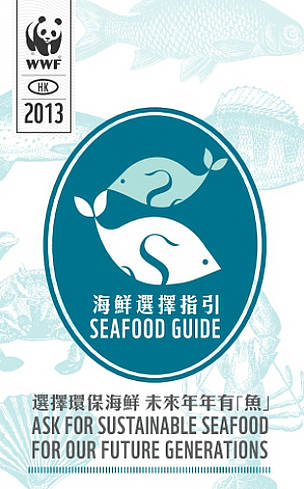
WWF Launches Seafood Guide 2013

Posted 11 July 2013  |  en  |  zh
Hong Kong people are the second largest per-capita consumers of seafood in Asia, with every person consuming an average of 71.6kg of seafood per year. The popularity of seafood in Hong Kong places large demands on both local and overseas fisheries, to the extent that certain species are in danger of being wiped out forever and marine ecosystems around the world are deteriorating. To raise awareness about the need for sustainable seafood consumption, WWF-Hong Kong today announces the results of a sustainable seafood survey and launched an updated version of our popular Seafood Guide.

The survey was conducted between February and May 2013, when WWF visited 48 Chinese restaurants, seafood restaurants and supermarkets to count the number of sustainable and unsustainable seafood species present in these establishments’ water tanks. The survey found that a approxomiately 50% of the species found in these tanks were listed in our Seafood Guide’s “Red – Avoid” category.

Specifically, 51.4% of the seafood found in the Chinese restaurants’ tanks, 50% of the species in the seafood restaurants’ tanks and 38.6% of the seafood in the supermarkets’ tanks came either from unsustainable fisheries, or had been over-exploited, caught or farmed in an ecologically-unfriendly way. A smaller proportion of the seafood surveyed fell into the “Green – Recommended” category: 24.3%, 33.3% and 17.5% in the respective establishments.

The survey also found that some of the species could not be categorized due to insufficient information being provided. This is indicative of a wider problem: generally, there is insufficient data available to the public on which types of seafood are sustainable and which are not; which in turn makes it difficult for the consumer to make the right choices. 

WWF-Hong Kong’s Senior Conservation Officer for Footprint, Dr. Allen To said, “Global studies indicate that in the past 50-100 years we've lost up to 90% of many large predatory fishes, such as some types of tuna, shark and grouper. However, this might only be the tip of the iceberg. Some scientists speculate that if nothing happens to turn the tide, by 2048 the world may run out of important commercial fish species entirely. The world’s oceans will not be able to supply the fishery resources we are so heavily dependent on.”

Adapting to the changes in the world’s seafood resources and to the dining habits of Hong Kong people, WWF has launched an updated version of our Seafood Guide. Compared to the 2007 edition, there has been a rise in the number of “Red – Avoid” seafood species. Some species which were listed as “Yellow – Think Twice” have been moved to the “Red – Avoid” category; one example being the Golden threadfin bream, which has been a very popular species with Chinese diners. More seafood species commonly chosen by Hong Kong people have also been added to the guide.

The 2013 Seafood Guide is indicative of the degradation of the world’s marine ecosystems. WWF hopes that the restaurants and supermarkets will use the guide to facilitate the development of an “Ocean-Friendly Menu”, which provides alternative seafood choices to the dining public, also to provide information on the species, origin and harvesting method so as to faciliate consumer to choose sustainable seafood. Seafood suppliers can also help improve the situation by sourcing and providing more seafood from “Green – Recommended” and “Yellow – Think Twice” categories. It is important that individual diners begin asking restaurants to provide more sustainable seafood.

Representatives from the restaurant and catering sector continue to show their support for WWF; Mr Ng, a seafood restaurant owner, said, “We have always opposed cyanide or fish bomb fishing in Southeast Asia, because it causes huge damage to the marine ecosystem; but some restaurants keep on buying fish from these fishermen. We have to pull the whole industry together to stop the problem.” Frozen seafood supplier Mr Tsui added, “We are glad to see that the sustainable seafood concept is getting more and more popular nowadays, the marine resources problem and sustainable seafood definitely need more promotion and awareness.”


Sunday, July 7, 2013

Call for Abstracts Open – IMBER Open Science Conference 2014 (Deadline: 15 Jan 2014)

Call for Abstracts Open – IMBER Open Science Conference 2014
OSC2014-banner
Integrated Marine Biogeochemistry and Ecosystem Research (IMBER)
Open Science Conference
23-27 June 2014, Bergen, Norway
“Future Oceans – Research for marine sustainability:
multiple stressors, drivers, challenges and solutions
”
The Integrated Biogeochemistry and Ecosystem Research (IMBER) Project will convene its Open Science Conference from 23-27 June 2014 in Bergen, Norway, with the goals of:
·  highlighting research results from the IMBER project and activities,
·  promoting integrated synthesis of IMBER research, and
·  developing a science plan and implementation strategy for the next phase of IMBER research.
The Call for Abstracts for the IMBER OSC 2014 is now open!  Deadline for abstract submission: 15 January 2014.
Contributions to the IMBER OSC 2014 are welcome from all marine and oceanographic communities!
IMBER IPO : imber@imr.no
For more information: 
http://www.apn-gcr.org/2013/07/01/call-for-abstracts-open-imber-open-science-conference-2014/

Saturday, June 29, 2013

New Books: The Precautionary Principle in Marine Environmental Law With Special Reference to High Risk Vessels By Bénédicte Sage-Fuller (28 Jun 2013)

The Precautionary Principle in Marine Environmental Law

With Special Reference to High Risk Vessels

By Bénédicte Sage-Fuller

Published 28th June 2013 by Routledge – 306 pages
Descriptions:
The book examines whether the jurisdiction of coastal States under international law can be extended to include powers of intervention towards vessels posing a significant risk to their coastal and marine environment, but which have not yet been involved in any incident or accident. The books sets out how it is that coastal State jurisdiction can indeed be seen as including powers of intervention towards High Risks Vessels before an incident or accident happens, on the basis of the precautionary principle. The precautionary principle requires taking action when a risk of damage to the environment is suspected, but cannot be confirmed scientifically.The book thus considers the potential opportunities for the coastal state under international law to regulate international shipping where they consider vessels to an unacceptable risk to the environment, in order to prevent or minimise the risk of occurrence of the accident or incident leading to damage. The book acknowledges that this puts into question some very old and established principles of the law of the sea, most importantly the principle of freedom of navigation. But Bénédicte Sage-Fuller contends that this change would itself be a consequence of the evolution, since the end of WWII, of on the one hand international law of the sea itself, and of international environmental law on the other hand.

Contents:
1. High Risk Vessels
2. Coastal States’ Jurisdiction under the United Nations Convention on the Law of the Sea
3. Significance of the Precautionary Principle in Marine Law
4. Practical Applications of the Precautionary Principle in Marine Protection Law
5. Application of the Precautionary Principle and Vessel-source Pollution

Saturday, June 22, 2013

Events: 海 岸 公 園 及 海 洋 生 態 資 源 講 座 2013 organized by AFCD in July and August 2013

海 岸 公 園 及 海 洋 生 態 資 源 講 座 2013

本 署 將 於 7 月 及 8 月 期 間 於 香 港 文 化 中 心 舉 辦 「 海 岸 公 園 及 海 洋 生 態 資 源 講 座 」 。 講 者 將 於 講 座 中 , 與 大 眾 分 享 本 港 海 洋 生 態 的 最 新 信 息 。

海 岸 公 園 及 海 洋 生 態 資 源 講 座 2013

日 期
時 間
講 者
講 題
留 座
情 況
7 月 13 日 ( 六 )
2:00
|
3:00
旅 行 家 有 限 公 司 代 表
屯 門 漁 民 婦 女 會 代 表
香 港 漁 民 文 化 與 海 洋 資 源 導 賞 團 屯 門 水 域
3:00
|
4:00
吳 偉 銓 博 士
漁 農 自 然 護 理 署 海 洋 護 理 主 任
海 下 灣 海 岸 公 園
我 們 的 珊 瑚
7 月 27 日 ( 六 )
2:00
|
3:00
旅 行 家 有 限 公 司 代 表
大 澳 漁 民 近 岸 協 會 代 表
香 港 漁 民 文 化 與 海 洋 資 源 導 賞 團 大 澳 水 域
3:00
|
4:00
伍 家 恩 小 姐
漁 農 自 然 護 理 署 濕 地 及 動 物 護 理 主 任
南 丫 島 深 灣 限 制 地 區
海 龜 愛 回 家
8 月 3 日
( 六 )
2:00
|
3:00
旅 行 家 有 限 公 司 代 表  
香 港 漁 民 文 化 與 海 洋 資 源 導 賞 團 西 貢 水 域
3:00
|
4:00
方 靜 威 先 生
海 草 生 態 學 家
印 洲 塘 海 岸 公 園
獨 特 的 海 草
8 月 17 日 ( 六 )
2:00
|
3:00
旅 行 家 有 限 公 司 代 表  
香 港 漁 民 文 化 與 海 洋 資 源 導 賞 團 南 丫 水 域
3:00
|
4:00
蔣 志 超 博 士
漁 農 自 然 護 理 署 海 洋 護 理 主 任
東 平 洲 海 岸 公 園
海 之 森 - 香 港 的 海 藻 世 界
8 月 24 日 ( 六 )
2:00
|
3:00
姜 紹 麟 先 生
大 埔 環 保 會 中 心 經 理
香 港 漁 民 文 化 與 海 洋 資 源 導 賞 團  新 界 東 北 水 域
3:00
|
4:00
冼 映 彤 小 姐
香 港 海 洋 公 園 保 育 基 金 高 級 科 學 主 任
沙 洲 龍 鼓 洲 海 岸 公 園
白 海 豚 保 育 工 作 多 面 睇 - 從 香 港 擴 展 到 亞 洲


  • 地 點 : 
  • 香 港 文 化 中 心
    九 龍 尖 沙 咀 梳 士 巴 利 道 十 號
    行 政 大 樓 4 樓 AC1 / AC2 會 議 室
  • 留 座 方 法 :
    1. 下 載 留 座 表 格 或
        致 電 1823 索 取 傳 真 表 格
    2. 以 郵 寄 或 傳 真 遞 交
        郵 寄 地 址 :
        九 龍 長 沙 灣 道 303 號 長 沙 灣 政 府 合 署 6 樓
        ( 經 辦 人 : 海 岸 公 園 教 育 主 任 )
        傳 真 號 碼 : 2152 0060
  • 以 廣 東 話 主 講
  • 免 費 入 場
  • 查 詢 : 1823

For more information: 

Sunday, June 16, 2013

Vietnamese Updates: SUSTAINABLE DEVELOPMENT OF MARINE AND ISLAND RESOURCES AND ENVIRONMENT AND MARINE PROTECTED AREA (14 Jun 2013)


SUSTAINABLE DEVELOPMENT OF MARINE AND ISLAND RESOURCES AND ENVIRONMENT AND MARINE PROTECTED AREA 
Thứ sáu, ngày 14 tháng 06 năm 2013 cập nhật lúc 05:49

Vietnam has a coastline of over 3,260 km (excluding the coast of island). According to the investigation results from thescientists, the waters of Vietnam have about 11,000 species residing in more than 20 types of typical ecosystems of six different marine biodiversity areas. Among the species discovered, there are about 6,000 zoobenthos, more than 2,000 species of fish(including over 100 species of economic fish), 653 species of seaweed, 657 species of zooplankton, 537 species of phytoplankton,94 mangrove species, 225 species of brine shrimp, 14 species of sea grass, 15 species of sea snakes, 12 species of marine mammals, 5 species of sea turtles and 43 species of water birds.


Coral reefs, sea-grass beds, seaweeds, mangroves, phytoplankton, zooplankton, benthos, marine fish, seabirds, marine mammals and reptiles with many high economic value species have been exploited and served welfare of the people and socioeconomic development.

Located in the transition zone between continent and sea, three typical ecosystems for tropical sea, including mangrove forests,coral reefs and sea-grass beds have close ties and mutual support, creating important "ecological chains" in the sea and coastal area.However, our marine ecosystem in particular and resources of the marine environment in general are facing many challenges caused by disasters and human. The degradation of an ecosystem will affect other ecosystems. The loss of such ecosystems will make Vietnamsea become "water rift" and marine resource reserves severely reduce.

In order to protect biodiversity in general and marine ecosystems in particular, on 26th May, 2010 the Prime Minister signedDecision No. 742/QD-TTg approving the plan on the system of Vietnam’s marine protected area through 2020, with special emphasis on:

  • Planning the system of protected areas to protect and preserve fishery resources and marine environment for the target ofsustainable development of fisheries and important contribution to the marine ecological environment protection.
  • Building and developing the marine protected areas is the duty of industries and all levels, especially the responsibilities and rights of coastal and island communities.
  • Gradually diversifying the investment forms to encourage and attract domestic and foreign investors, scientists and internationalorganizations, and also encourage the participation and management of coastal and island community for sustainable and efficient management of protected areas. (1)

                                                                                LE MAI
-------------------------------------

(1) Dr. Nguyen Dang Dao. Speaking at the 5th forum of Vietnam Marine Trademark. Marine protected areas with the sustainable development of marine and island resources and environment. (Summary record) Ha Tinh, 7th June, 2013, page 11


Source: 
http://www.monre.gov.vn/v35/default.aspx?tabid=675&CateID=58&ID=127734&Code=1Q7F127734

Sunday, May 19, 2013

Event: 7th International Conference on Marine Pollution and Ecotoxicology organized by HKU on 17-23 Jun 2013


7th International Conference on Marine Pollution and Ecotoxicology

Marine Pollution and Ecotoxicology

Introduction

7th International Conference
Date:
17 Jun 2013 - 23 Jun 2013
Overview:
The University of Hong Kong is hosting the 7th International Conference on Marine Pollution and Ecotoxicology. This conference is a signature event in area of marine pollution research and provides a platform for experts all over the world to meet and discuss their frontier research. This conference will also be a great opportunity for participate to enhance their knowledge of local, regional and global marine pollution issues, collaborate and aspire to find solutions to such problems.

The 5 key areas for the conference include:
  1. Climate changes and marine ecosystems
  2. Endocrine disrupting chemicals and issue of emerging concerns
  3. Hypoxia and eutrophication
  4. Innovation technologies for pollution monitoring and control
  5. Risk assessment and management

Registration:
  • To register, please go to http://www.biosch.hku.hk/icmpe7/htm/02_registration.htm

Fees:
Student rate:
$1950 HKD (on or before April 15, 2013)
$2730 HKD (after April 15, 2013)

Normal rate:    
$3900 HKD (on or before April 15, 2013)
$4680 HKD (after April 15, 2013)

*Fees include all conference materials, reception, tea & coffee breaks, and conference banquet.

For more information, please visit its official website:

Thursday, May 9, 2013

Publication: Towards Engagement in the United Nations Regular Process for Global Assessment of the Marine Environment: Strengthening Capacity of Developing Countries in the Seas of East Asia by Ward, T. J. (May 2013)


Towards Engagement in the United Nations Regular Process for Global Assessment of the Marine Environment: Strengthening Capacity of Developing Countries in the Seas of East Asia

Project Leader

Dr Elaine BAKER
UNEP GRID-Arendal /The University of Sydney
AUSTRALIA

Email

elaine.baker@sydney.edu.au

Project Summary

Comprehensive collection of new data is often prohibitively costly, however, often data does exist - locked away in formats or archives inaccessible to the decision maker. The proposed activity would be the initial phase of a programme of work aiming to build capacity within countries to increase access to and appropriate use of existing data - enabling countries to be ready to contribute to global assessment processes as well as addressing EBM and MSP challenges.

Project Output

Ward, T. J. (2012). Workshop Report: Regional Scientific and Technical Capacity Building Workshop on the World Ocean Assessment (Regular Process). Bangkok: UNEP/COBSEA. Retrieved from http://cobsea.org/documents/BangkokWSreport_lores.pdf


Project Reference No.s

CBA2011-08NSY-Baker

Programme

CAPaBLE

Countries Involved

Australia, Cambodia, PRChina, Indonesia, Republic of Korea, Malaysia, Philippines, Singapore, Thailand, Viet Nam

Scientific Thematic Area

Science Policy Linkage,
Crosscutting issues


For more information: http://www.apn-gcr.org/resources/items/show/1686

Wednesday, May 1, 2013

Events: Climate Change and Marine Ecosystems: Croucher Summer Course, 17-21 June 2013, Hong Kong


Climate Change and Marine Ecosystems: Croucher Summer Course, 17-21 June 2013, Hong Kong

title copy
CLIMATE CHANGE AND MARINE ECOSYSTEMS
Croucher Summer Course
17-21 June 2013, HONG KONG
For registration
By 31 May 2013
Open to all local and international graduate students and early career researchers.
www.marinesummercourse.ust.hk
Oceans play a vital role in the global carbon cycle by acting as a sink for the atmospheric CO2. On the other hand, global warming and ocean acidi­cation has a profound effect on marine organisms and the integrity and function of marine ecosystems. In this fi­rst summer course of this series, we will focus on the microbial food web dynamics under changing climates. Both experimental and modeling approaches will be covered.
Invited Instructors
Prof. Wei-Jun Cai
University of Delaware, USA
Prof. Kunshan Gao
Xiamen University, China
Prof. Michael Landry
Scripps Institute of Oceanography, UCSD, USA
Prof. Edward Laws
Louisiana State University, USA
Prof. Curtis Suttle
The University of British Columbia, Canada
Course Director
Prof. Hongbin Liu
The Hong Kong University of
Science and Technology, HKSAR, China
Course Co-Director
Prof. Paul J. Harrison
The University of British Columbia, Canada
Sponsored by The Hong Kong University of Science and Technology

For more information:
http://www.apn-gcr.org/2013/04/30/climate-change-and-marine-ecosystems-summer-course-201/

Thursday, April 11, 2013

Study: Sea Level Rise Threatens Biodiversity in the Pacific by Veterinary University of Vienna in conjunction with Yale University (10 Apr 2013)


Sea Level Rise Threatens Biodiversity in the Pacific

2013-04-10


The predicted rise in sea level in the Pacific in future will lead to heavy losses of habitat that will threaten numerous species, a new study showed on Tuesday.

Conducted by researchers from the Veterinary University of Vienna in conjunction with Yale University, the study is based on model calculations for the Southeast Asian and Pacific Region and is published in the journal Global Change Biology.

The Veterinary University said its model calculations showed a sea level rise of about a meter by the end of the century, and up to 5.5 meters by the year 2500. It also examined more than 12,000 islands and 3,000 vertebrate animal species in the Southeast Asian and Pacific region.

The findings showed that a sea level rise in the region of only one meter would result in the loss of about one percent of land, which would in turn mean 14.7 percent of primarily small islands in the region would be completely flooded, threatening local species.

Should the sea level rise by up to 5.5 meters by 2500 as predicted, a loss of 9.3 percent of habitat in the region would occur, which poses a very significant threat to numerous species including those already endangered, and those who only live on certain islands.

Researchers said their results also reflected the threat a sea level rise poses to island and coastal animal species across the world, the Austrian Press Agency reported.